The body’s gut microbiome and its interactions
The gut constantly exchanges signals with the brain, immune system, and organs, influencing digestion, metabolism, mood, and health.
What makes up the gut microbiome?
The gut microbiome consists of trillions of microorganisms that inhabit the gastrointestinal tract. These microorganisms belong to different biological groups, each contributing in distinct ways to the overall ecosystem.

Bacteria
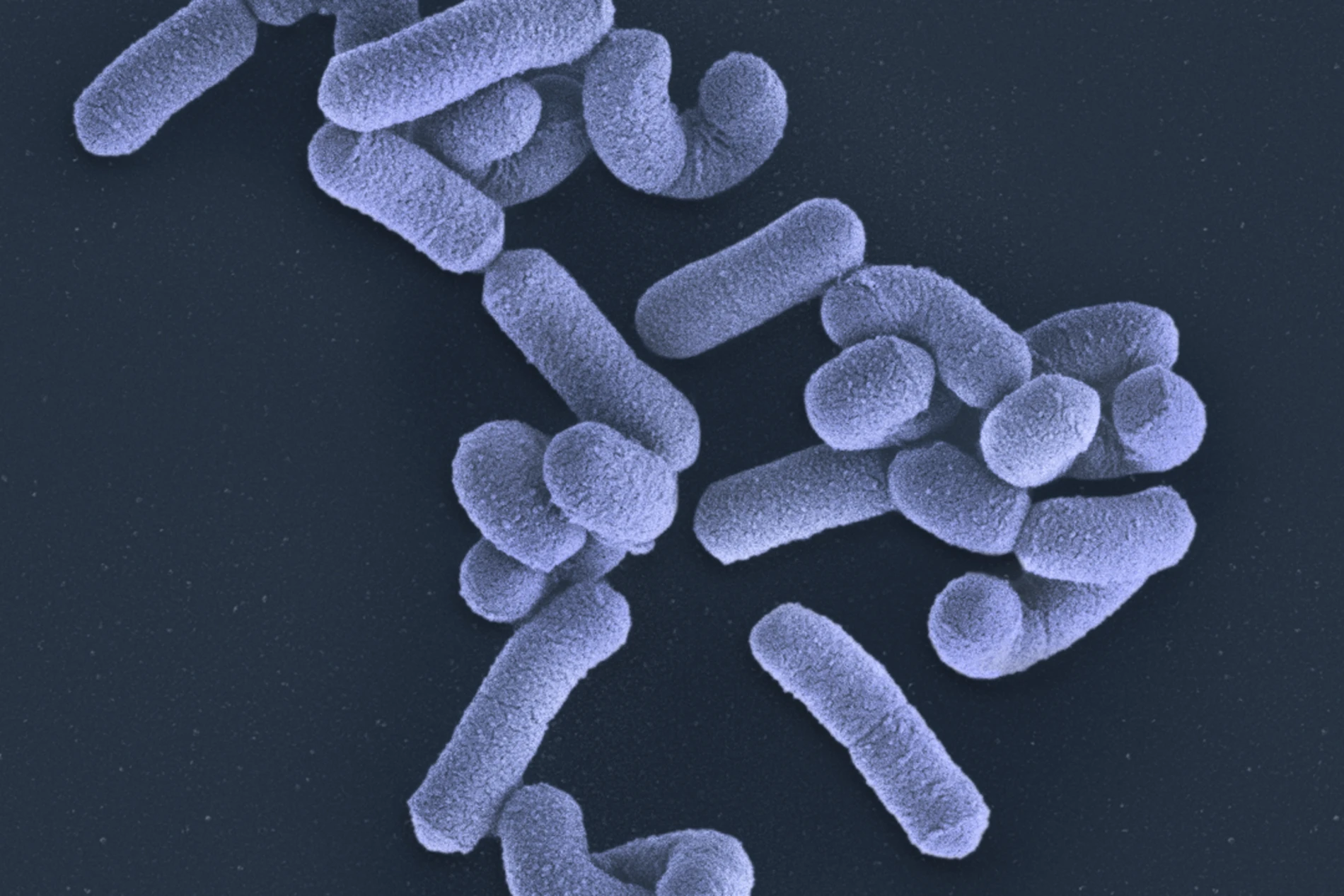
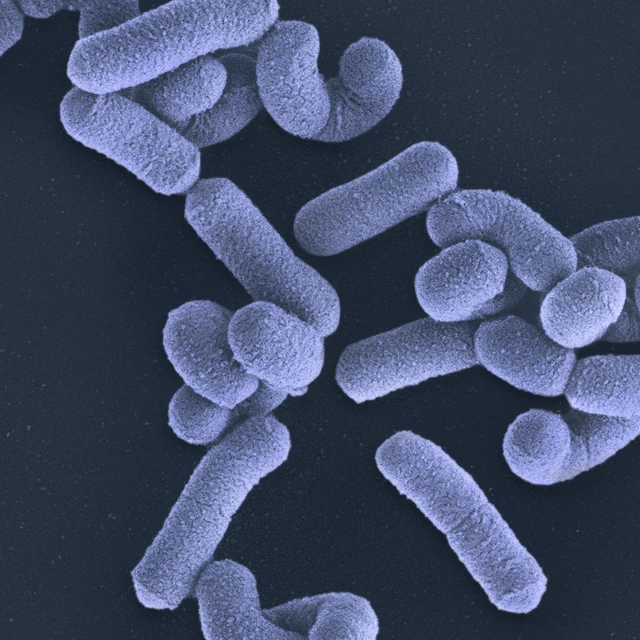
The most abundant and widely studied members. They play important roles in digestion, metabolism, immune reaction, and production of metabolites and other bioactive compounds.

Viruses
The gut virome includes viruses that infect human cells as well as bacteriophages, which infect bacteria.
Bacteriophages are especially important because they can shape bacterial populations and influence the balance of the microbial ecosystem.

Fungi
Fungi –– including yeasts –– are present in smaller numbers but are still relevant members of the gut ecosystem. They interact with the human body and with other microbes and may contribute to ecosystem balance and signaling.
What makes up the gut microbiome?
The gut microbiome is most densely concentrated in the large intestine, particularly in the colon, where conditions favor microbial growth.
Microbial communities are present throughout the gastrointestinal tract, where their composition varies from region to region. These differences are shaped by local conditions such as oxygen levels, acidity, transit time, nutrient availability, and the body’s secretions. These conditions determine which microorganisms can grow in different parts of the gut. Within these regions, microbes are found both in the intestinal contents (lumen) and in close association with the mucus layer that covers the intestinal surface.

A vital interface between microbiome and body
The microbial environment exists in close proximity to the body and is separated from it by the gut barrier. The gut barrier forms a critical interface between the gut microbiome and the body. It consists of the epithelial cell layer, mucus, immune components, and other protective structures that help regulate what passes from the gut into the body.
Just beyond this barrier lies a large proportion of the body’s immune system, reflecting the close and continuous communication between gut microbes and host defense mechanisms.
Functions of the gut microbiome
The gut microbiome contributes to a wide range of functions relevant to both gut and whole-body health.
Digestion of otherwise inaccessible substrates
Gut microbes help break down dietary fibers, resistant starches, and other compounds that digestive enzymes cannot fully process.
Metabolite production
As microbes ferment and transform dietary components, they produce metabolites such as short-chain fatty acids (SCFAs), lactic acid, and aromatic lactic acids. These and other bioactive molecules can influence the gut environment and host physiology.
Vitamin production and nutrient support
Certain gut microbes contribute to the production of compounds such as vitamin K and some B vitamins. They may also support the absorption and metabolism of nutrients and minerals.
Barrier support
Microbial activity helps support the mucus layer, epithelial function, and conditions that contribute to barrier integrity.
Immune regulation
The gut microbiome helps train and regulate immune responses, supporting the balance between immune tolerance and defense.
Signaling and regulation
Microbial metabolites and host–microbe interactions can influence hormonal signaling, neural communication, and metabolic regulation.
Ecosystem control
Different members of the microbiome help shape the ecosystem itself. Bacteriophages can regulate bacterial populations, while fungi interact with bacteria and host tissues and may also contribute to ecological balance.
Gut system interactions
The gut is connected to the rest of the body through multiple communication pathways. These interactions are not one way. Signals travel from the gut to other organs and systems, and signals from the rest of the body can also influence the gut. In this way, the gut acts as part of a wider physiological network rather than as an isolated organ.
Some of the most studied examples of these interactions are described as gut-related axes. These are outlined below.

The 3 gut-related axes
Gut-brain axis
The gut and brain communicate through neural, endocrine, immune, and metabolic pathways. The gut microbiome helps shape signals linked to stress, mood, sleep, cognition, and behavior, while the brain influences gut movement, secretion, sensitivity, and microbial conditions through stress and related signals.

Gut-immune axis
The gut and immune system are in constant dialogue. Microbial signals help guide immune development and immune regulation, while the immune system shapes which microbes are able to persist in the gut. This interaction is important for maintaining balance and for responding appropriately to potential threats.

Gut-metabolic axis
The gut is closely linked to metabolic function. Through the breakdown of dietary components and the production of metabolites, the gut microbiome can influence energy harvest, glucose regulation, lipid metabolism, appetite signaling, and broader metabolic processes.
Probiotics can offer health benefits
Probiotics are defined as live microorganisms that confer a health benefit on the host when given in adequate amounts.
Discover more about their role in supporting human health.